Light Roast vs. Dark Roast Coffee: Lightwave’s Take
The biggest difference between light and dark roast coffee is how far the coffee is developed during roasting and how that changes its flavor. Light roasts tend to preserve more of the coffee’s natural fruit, floral, sweetness, and acidity. Darker roasts develop deeper roasted, chocolatey, caramelized, and bittersweet flavors.
Neither one is automatically better.
The quality of the green coffee matters, and so does how it is roasted. A great dark roast can be rich and bold without tasting burnt. A great light roast can be sweet, complex, and flavorful without tasting sour.
At Lightwave, we generally lean toward lighter and medium roast profiles because we want you to taste what makes each coffee interesting in the first place. Even when we roast darker, the goal isn’t to roast away the character of the coffee. In fact, our darkest roast at Lightwave Coffee is still lighter than what you’ll find labeled as a light roast at Starbucks. If the underlying coffee is poor quality, a lighter roast will reveal those flaws rather than mask them, which is why you’ll see lighter roasts from Lightwave that are carefully developed to really bring out the flavor, aroma, and richness in each bean, rather than creating a homogenized, over-roasted blend to hide imperfections.
What Does Coffee Roast Level Actually Mean?
Coffee starts out green, not brown.
During roasting, heat changes the bean. Moisture is lost, the beans expand, sugars react, the color darkens, and the flavors and aromas we associate with coffee begin to develop.
The further the roast develops, the darker the coffee generally becomes.
That’s where the familiar labels come from:
- Light roast
- Medium roast
- Medium-dark roast
- Dark roast
The catch is that those labels aren’t universal.
One roaster’s medium can look like another roaster’s dark. A coffee labeled “light” by a large commercial brand may be roasted considerably darker than what a specialty roaster considers a light roast.
The Specialty Coffee Association has continued working toward clearer ways of describing and evaluating roast color for this reason.
So roast level is useful when you’re shopping for coffee, but think of it more as a general flavor direction than an exact universal measurement.
How Does Roasting Change the Flavor of Coffee?
Roasting doesn’t just turn a green bean brown. It changes what you’re going to taste.
As a roast develops, flavors created by heat become more noticeable. With less development, more of the coffee’s original character tends to stay front and center.
A simple way to think about it is:
Lighter roast → more origin character
Darker roast → more roast character
It’s not a perfect rule, but it’s a useful one.
The goal isn’t to make every coffee the same shade of brown. A good roast should fit the coffee.
A washed Colombian coffee, a natural Ethiopian coffee, and an anaerobically processed Costa Rican coffee can taste dramatically different even when they’re roasted in a similar general range. That’s part of what makes specialty coffee interesting.
What Does Light Roast Coffee Taste Like?
Light roasted specialty coffees often make it easier to taste the differences between origins.
Depending on the coffee, you might pick up flavors that remind you of:
- Citrus
- Berries
- Stone fruit
- Apple
- Honey
- Flowers
- Tea
- Caramel
- Chocolate
Light roasts also tend to have more noticeable brightness or perceived acidity.
That doesn’t automatically mean sour.
In coffee, acidity can describe the lively quality that reminds you of citrus, apple, berries, or other fruit. When the coffee is balanced, that brightness works with sweetness instead of overpowering it.
Our Colombia Huila is a good example. It’s roasted light-medium with notes of clementine, honey, and chocolate. There’s brightness, but it’s balanced by sweetness and body. It works especially well as a pour-over, but you can also brew it as espresso or cold brew.
That’s often one of the first surprises for someone getting into specialty coffee.
Coffee doesn’t have to taste primarily bitter.
Why We Like Lighter Roasts at Lightwave
There’s a pretty simple reason we tend to stay on the lighter side.
You can taste the coffee.
If we start with a really good green coffee, we want the roast to reveal what made us choose it in the first place.
Maybe it’s the citrus, honey, and chocolate in a Colombian coffee. Maybe it’s the fruit and sweetness of a high-elevation Ethiopian coffee. Maybe it’s something much less familiar, like the cinnamon character you can find in an anaerobically processed Costa Rican coffee.
A lighter roast also makes the quality of the green coffee more obvious.
If the coffee isn’t very good to begin with, you don’t have a heavy roast covering it up. That’s one reason sourcing and roasting are so closely connected for us.
We taste through a lot of coffees before choosing what to buy. Once we find something with the quality and flavor we’re looking for, then we develop the roast around that particular coffee.
The bean gives us something worth working with. The roast should bring it forward.
Roast Level Isn’t the Only Thing Creating Flavor
This is where choosing coffee gets more interesting than simply looking for “light” or “dark.”
Origin, elevation, coffee variety, climate, processing, fermentation, and growing conditions all influence what ends up in your cup.
Take our Costa Rica Cordillera de Fuego. It’s grown in Tarrazú and uses an anaerobic process that produces a distinctive cinnamon character.
Compare that with our washed Colombia Huila, which leans toward clementine, honey, and chocolate.
Or try Ethiopia Guji Danbi Udo, a natural-process coffee grown around 1,950 to 2,200 meters in Guji. The coffee cherries are dried intact for several weeks, helping create a very different expression of sweetness and fruit.
All three can live on the lighter side of the spectrum and still taste completely different.
Roast level gives you a starting point. The coffee itself tells you the rest.
What Does Dark Roast Coffee Taste Like?
As coffee is roasted darker, the flavors created during roasting become more noticeable.
Dark roast coffee often moves toward flavors like:
- Dark chocolate
- Caramelized sugar
- Cocoa
- Toasted nuts
- Baking spices
- Smoky or roasted flavors
- Bittersweet chocolate
The body may feel fuller, and the bright fruit-like acidity that’s easier to notice in lighter coffees generally becomes less prominent.
For someone who wants a bold, familiar cup of coffee, that’s often exactly the appeal.
But there’s a big difference between dark and over-roasted.
Does Dark Roast Have to Taste Burnt or Bitter?
No.
Dark coffee can be bold without being harsh.
If you keep roasting far enough, the roast itself starts to dominate the coffee. Eventually, coffees from very different origins can begin tasting more alike because you’re tasting the roast more than the bean.
That’s not what we’re trying to do.
Our Dusk Dark Roast Blend is a good example.
Dusk combines washed Colombian coffee with natural-process Ethiopian coffee. We take it darker for more body and deeper flavors, with notes like toffee and grape, but stop before those coffees disappear underneath the roast.
Dark roast should mean bold. It doesn’t have to mean burnt.
What About Coffees in the Middle?
This is where a lot of people find their everyday coffee.
Medium and light-medium roasts can keep plenty of the coffee’s original character while developing more body, sweetness, chocolate, caramel, and familiar roasted flavors.
Our Guatemala Baja Verapaz Cubulco is a good example. It has dark chocolate, almond, red currant, medium acidity, and medium body.
There’s enough fruit and brightness to make it interesting, but the chocolate and almond notes make it very approachable.
Then there’s Starlight.
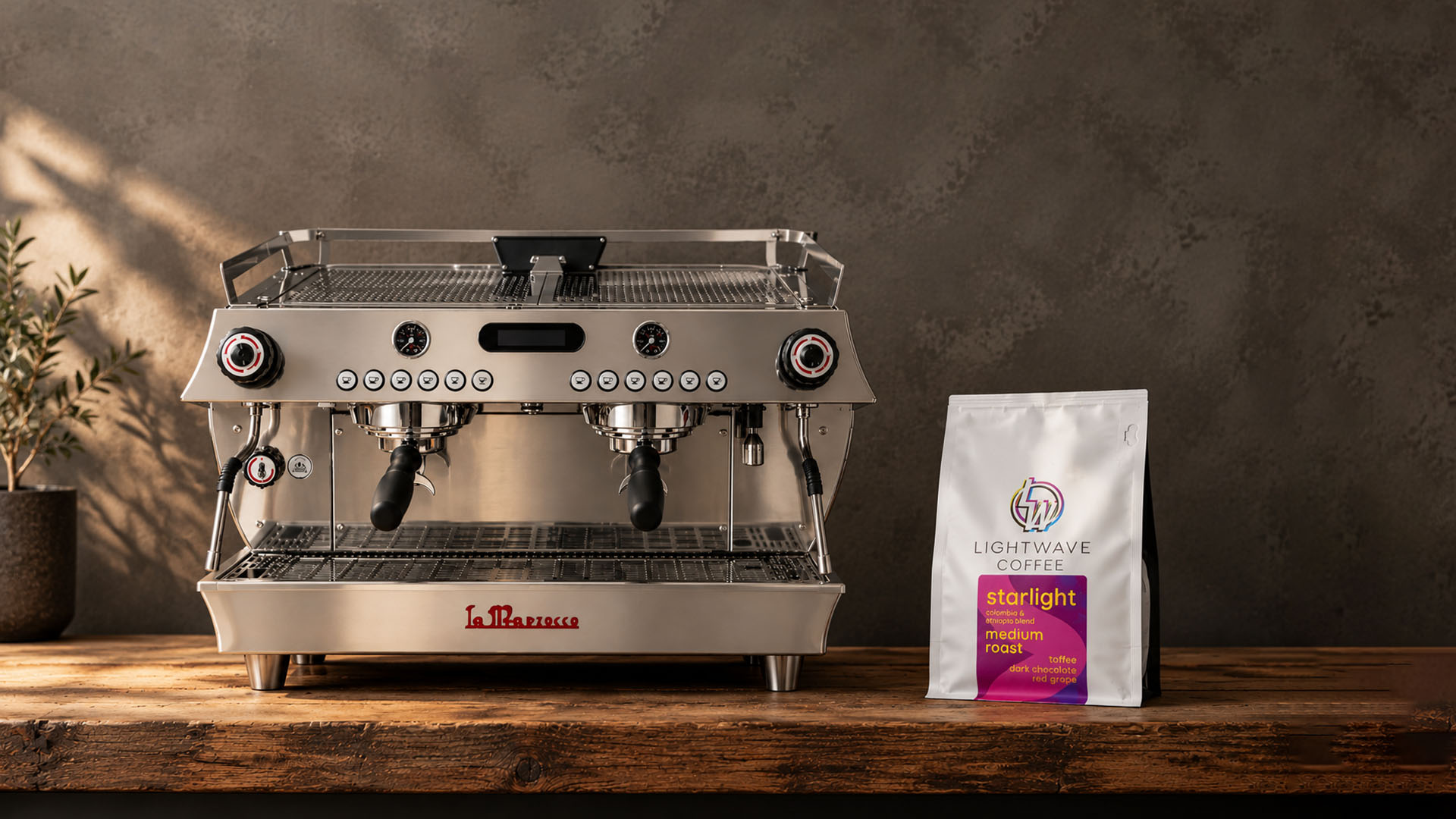
Starlight combines washed Colombia Huila with natural Ethiopia Guji Shakiso. The Colombian coffee gives it a rich chocolatey body while the Ethiopian coffee adds brighter apple fruit.
The result is balanced, velvety, and easy to use across drip, espresso, or cold brew.
It’s a good example of why you don’t necessarily have to choose between bright specialty coffee and a more familiar chocolatey cup. You can have both.
Light Roast vs. Dark Roast Flavor
| Light Roast | Dark Roast | |
|---|---|---|
| Overall flavor | Brighter and more origin-driven | Deeper and more roast-driven |
| Fruit/floral notes | Usually easier to identify | Generally less prominent |
| Chocolate/roasted notes | Can be present but more subtle | Often more prominent |
| Perceived acidity | Usually brighter | Usually lower |
| Bitterness | Generally lower roast bitterness | Typically more bittersweet or roasted |
| Origin differences | Often easier to distinguish | Can become less obvious as roast gets darker |
| Body | Can feel clean, light, or silky | Often fuller or bolder |
| Lightwave example | Colombia Huila | Dusk |
These are tendencies, not hard rules.
The origin, processing method, roast profile, freshness, grind, water, and brewing method can all change what you taste.
Is Light Roast Better Than Dark Roast?
No.
We like lighter roasting because it can showcase great coffee, but that doesn’t mean everyone needs to prefer it.
A well-roasted dark coffee can be excellent. A poorly roasted light coffee isn’t automatically better just because it’s light.
What matters is what you actually like drinking.
If you want brightness, sweetness, and a clean balance of fruit and chocolate, try Colombia Huila.
If you want an everyday coffee with chocolatey body and brighter fruit, try Starlight.
If you like chocolate, nuts, and a little fruit, Guatemala Baja Verapaz Cubulco is a good direction.
If you’re looking for something more unusual, Costa Rica Cordillera de Fuego or Ethiopia Guji Danbi Udo will show you how much origin and processing can change a coffee.
And if you want a bolder, darker cup without the burnt edge, go with Dusk.
Does Light Roast Have More Caffeine Than Dark Roast?
This gets oversimplified a lot.
You’ll hear that light roast has more caffeine because it was roasted less. You’ll also hear that dark roast has more because it tastes stronger.
Neither explanation really tells the whole story.
The caffeine in your cup depends on several things:
- How much coffee you use
- Whether you’re measuring by weight or volume
- The coffee itself
- Grind size
- Brewing method
- Water-to-coffee ratio
- Extraction
Roasting also changes the moisture, mass, density, and structure of the bean, which makes a simple light-versus-dark comparison less useful than it sounds.
If you’re choosing between light and dark roast, choose based on flavor rather than caffeine.
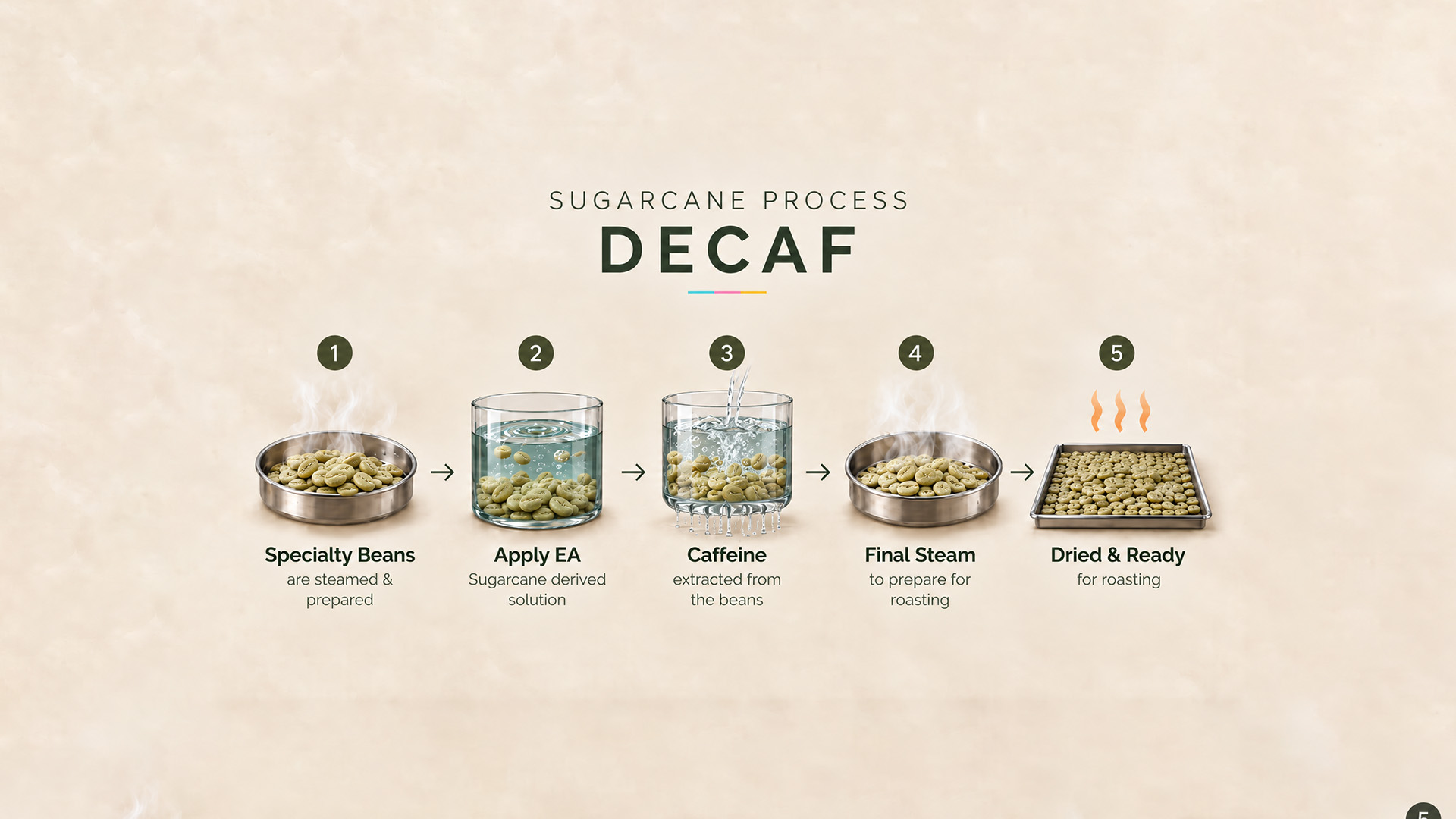
If your goal is actually to reduce caffeine, that’s a different question. Our Colombia Valle del Cauca Decaf uses the sugarcane EA process to remove most of the caffeine while preserving the character of the coffee.
Is Dark Roast Less Acidic?
Dark roast generally tastes less bright or acidic than light roast.
That’s one reason people who don’t enjoy citrusy or fruit-forward coffee often prefer something darker.
It’s also worth separating two meanings of “acidic.”
Sometimes people mean the actual chemical acidity or pH of coffee. Other times they’re talking about perceived acidity, which is the bright, tart, fruit-like character you taste.
When we describe a coffee as bright or acidic, we’re usually talking about flavor.
The clementine character in Colombia Huila, for example, adds brightness without making the coffee taste unpleasantly sour.
If your concern is how coffee feels on your stomach rather than how it tastes, roast level alone isn’t enough to predict that.
Which Roast Is Best for Espresso?
Espresso doesn’t require a dark roast.
Darker coffees became popular for espresso because chocolate, caramelized, and roasted flavors work well in a concentrated shot and tend to hold up through milk.
But lighter and medium specialty coffees can make great espresso too.
At Lightwave, Starlight is probably the easiest recommendation. Its chocolatey body and brighter fruit work well as straight espresso and still come through in a latte or cappuccino.
Colombia Huila can give you a brighter espresso with citrus, honey, and chocolate.
If you want something richer and darker, Dusk takes you in the other direction.
Which Roast Is Best for Drip Coffee or Pour-Over?
Drip and pour-over are great ways to explore lighter and medium coffees because they can make differences between coffees easier to notice.
Colombia Huila is a great choice if you want a clean, balanced cup with clementine, honey, chocolate, and subtle brightness.
If you want to try something less familiar, Costa Rica Cordillera de Fuego gives you a good example of how anaerobic processing can change flavor.
Ethiopia Guji Danbi Udo takes you in yet another direction with a high-elevation natural-process coffee from Ethiopia.
And if you just want a dependable coffee that’s easy to brew almost any way, Starlight is hard to go wrong with.
Which Lightwave Coffee Fits Your Taste?
I Want Something Balanced and Easy to Drink
Chocolatey body, sweetness, bright fruit, and a balanced overall profile. It works well as drip, espresso, or cold brew.
I Want Something Bright but Still Approachable
Clementine, honey, chocolate, and subtle brightness make this an easy way to explore the lighter side of specialty coffee.
I Like Chocolate and Nuts
Guatemala Baja Verapaz Cubulco
Dark chocolate, almond, red currant, medium acidity, and medium body.
I Want Something Unusual
Costa Rica Cordillera de Fuego
Its anaerobic processing and distinctive cinnamon character make it one of the more unusual coffees in our current lineup.
I Like Bright, Sweet, High-Elevation Coffees
A natural-process coffee grown around 1,950 to 2,200 meters in Guji, Ethiopia, with an emphasis on clarity and sweetness.
I Want Bold and Dark Without Burnt
Full-bodied and rich with toffee, fruit, and deeper roast character. It’s our darker option for someone who still wants to taste the quality of the coffee underneath the roast.
Where Should You Start?
If you aren’t sure which roast you prefer, try a few coffees from different parts of the spectrum.
You don’t need to identify every tasting note.
Just ask yourself:
- Which one tastes sweeter?
- Which one tastes brighter?
- Which one tastes more chocolatey?
- Which one feels heavier?
- Which one do I actually want another cup of?
That’s really how you figure out what you like.
If you’re completely new to specialty coffee, Starlight is an easy place to start because it sits between familiar and adventurous.
From there, go brighter with Colombia Huila, explore different origins and processing methods with Ethiopia Guji or Costa Rica Cordillera de Fuego, or move darker with Dusk.
There isn’t a correct side in the light roast vs. dark roast debate.
There are just different coffees worth trying.
Frequently Asked Questions About Light and Dark Roast Coffee
What Is the Main Difference Between Light Roast and Dark Roast Coffee?
The main difference is how far the coffee is developed during roasting. Lighter roasting generally preserves more fruit, floral, sweetness, acidity, and origin character. Darker roasting creates more pronounced roasted, chocolatey, caramelized, and bittersweet flavors.
Is Light Roast Coffee Stronger?
It depends on what you mean by “strong.”
Light roast can taste brighter and more complex. Dark roast often tastes bolder because the roasted and bittersweet flavors are more pronounced.
Neither one automatically tells you how much caffeine is in the cup.
Does Dark Roast Coffee Have More Caffeine?
Not necessarily. How much coffee you use, how you measure it, the coffee itself, and how you brew it all affect the caffeine in the finished cup.
Why Is Some Dark Roast Coffee Bitter?
Roasted and bitter flavors become more noticeable as coffee is taken darker. Push the roast far enough and those flavors can overwhelm the natural character of the coffee.
A darker specialty roast can still be rich, chocolatey, sweet, and bold without tasting burnt.
Is Light Roast Coffee More Acidic?
Light roasted coffees generally have more noticeable perceived acidity, meaning bright fruit-like characteristics such as citrus, berry, or apple.
That doesn’t automatically mean sour.
Which Lightwave Coffee Should I Try if I Normally Drink Dark Roast?
Start with Dusk. It’s full-bodied and bold with deeper roast character, but it’s not roasted so far that burnt or harsh flavors take over.
Which Lightwave Coffee Is Best for Someone New to Specialty Coffee?
Starlight is a great place to start. It combines a chocolatey body with brighter fruit and balanced sweetness, so it feels familiar while still showing you what specialty coffee can taste like.
Which Coffee Roast Is Best?
The one you enjoy drinking.
Go lighter if you like fruit, florals, brightness, and more origin character. Go darker if you prefer chocolate, caramelized flavors, fuller body, and a more pronounced roast character. Medium and light-medium coffees give you plenty of room in between.