What Is Specialty Coffee?
Specialty coffee is high-quality coffee selected and evaluated for its flavor, consistency, and lack of significant defects. Coffees scoring 80 points or higher through professional evaluation have traditionally been considered specialty grade, but the score is only the beginning.
What makes specialty coffee interesting is everything that happens before it reaches your cup. Where the coffee was grown, its elevation and growing conditions, how the fruit was processed, the quality of the green coffee, how it was roasted, and finally how it was brewed can all influence what you taste.
Done well, coffee doesn’t have to simply taste dark, bitter, or “like coffee.” It can naturally remind you of chocolate, fruit, citrus, flowers, honey, caramel, nuts, and countless other flavors without any of those ingredients being added.
That discovery is really what specialty coffee is about.
What Makes Coffee “Specialty Grade”?
You’ll often hear 80 points or higher used as the traditional dividing line for specialty-grade coffee.
For years, the coffee industry has used standardized cupping and scoring systems to evaluate characteristics such as aroma, flavor, sweetness, acidity, body, balance, defects, and overall quality.
The Specialty Coffee Association (SCA) has since evolved its approach. The SCA now defines specialty coffee more broadly as coffee or a coffee experience recognized for distinctive attributes that give it significant additional value. Its newer Coffee Value Assessment (CVA) looks at coffee through several complementary assessments rather than relying on a single score. These include the coffee’s physical characteristics, sensory qualities, perceived quality, and information such as origin, processing, and traceability.
That’s an important distinction because a score is useful, but a number alone doesn’t tell you everything you need to know about a coffee.
Ultimately, the coffee still has to taste good.
At Lightwave, that’s where the real evaluation begins. We put a lot of care into selecting high-quality green coffee, tasting through a large number of samples and passing on coffees that don’t meet our expectations for flavor and quality.
That selectivity is especially important because of the way we roast. We generally favor lighter and medium roast profiles that allow more of the coffee’s natural character to come through. With a lighter roast, there is less room to hide the quality of the underlying bean. If the coffee isn’t good to begin with, roasting it lightly can make those shortcomings easier to taste.
So sourcing and roasting aren’t separate decisions for us. We start with coffees that already have something worth bringing forward, then carefully develop the roast to highlight the sweetness, body, acidity, fruit, chocolate, floral notes, or other characteristics that make that particular coffee interesting.
Specialty grade gets a coffee through the door. We still have to decide whether it’s a coffee we believe in, and then roast it in a way that brings out the best flavor it has to offer.
Why Does Specialty Coffee Taste Different?
Coffee is an agricultural product, and that’s one of the easiest things to forget when you’re looking at a roasted brown bean.
Coffee begins as the seed of a fruit grown on a coffee plant. Just like wine grapes, apples, cacao, or other agricultural products, its character can change depending on where and how it was grown.
Some of the major influences include:
- Country and region of origin
- Elevation
- Climate and growing conditions
- Coffee variety
- Soil
- Harvesting and sorting
- Processing method
- Roasting
- Brewing
That’s why two coffees can taste remarkably different even when they’re brewed using exactly the same method.
An Ethiopian coffee might be bright, floral, or fruit-forward. A Colombian coffee might lean toward chocolate, citrus, caramel, or fruit. Those aren’t flavors that were added later. They are tasting notes used to describe flavors and aromas naturally present in the coffee.
This is often the moment when specialty coffee clicks for someone.
You take a sip and realize: I didn’t know coffee could taste like that.
What Does Elevation Have to Do With Coffee?
Elevation is one of several growing conditions that can have a meaningful effect on coffee.
Many of the coffees we select at Lightwave are grown at relatively high elevations. Growing conditions at elevation can contribute to coffees with greater density and distinctive flavor characteristics.
But elevation isn’t a magic number that automatically makes one coffee better than another.
Think of it as part of the coffee’s environment. Region, climate, variety, farming practices, processing, and many other factors are interacting at the same time.
We’ll go deeper into this in our guide to high-elevation coffee, because there’s quite a bit happening between the farm and the flavor in your cup.
Specialty Coffee Isn’t a Roast Level
This is an important distinction.
Specialty coffee can be light, medium, or dark roasted.
“Specialty” refers to the qualities and value of the coffee. Roast level describes what the roaster does with that coffee afterward.
At Lightwave, we approach roasting with one central idea: the roast should help reveal what’s interesting about the coffee.
With a high-quality coffee, there’s something worth revealing.
Carefully controlling the roast can bring forward the coffee’s natural sweetness, acidity, body, fruit, chocolate, floral characteristics, and other flavors. Roast too aggressively and some of those distinctions can disappear behind the flavor of the roast itself.
There’s another interesting side to this.
A lighter roast doesn’t give you many places to hide. If the underlying green coffee isn’t very good, roasting it lightly can make those flaws easier to taste.
That’s one reason sourcing matters so much.
Does Specialty Coffee Have to Be Light Roasted?
No.
You can absolutely enjoy darker specialty coffee.
The difference is that dark doesn’t have to mean burnt, harsh, or overwhelmingly bitter.
Our approach to darker roasting is still centered around balance and the quality of the underlying coffee. A darker profile can emphasize qualities such as chocolate, deeper sweetness, heavier body, and lower perceived acidity while still allowing the coffee to taste like more than simply “dark roast.”
We’ll explore that in much more detail in our Light Roast vs. Dark Roast Coffee guide.
Specialty Coffee vs. Regular Coffee
There isn’t one universal flavor profile for either category, but there are some useful differences in how the coffee is approached.
| Specialty Coffee | More Conventional Coffee | |
|---|---|---|
| Coffee selection | Selected with flavor and quality as major priorities | Often selected for scale, price, consistency, or broad appeal |
| Evaluation | Individual coffees are evaluated closely for quality and distinctive characteristics | Detailed flavor evaluation may be less central |
| Origin information | Often provides region, producer, elevation, process, or variety | Origin may be broader or unspecified |
| Roasting | Often designed around the characteristics of a particular coffee | Often designed to create a highly consistent house flavor |
| Flavor | Can show distinct fruit, floral, chocolate, nut, citrus, or sweet characteristics | Often emphasizes familiar roasted coffee flavors |
| Seasonality | Offerings may change as harvests and availability change | Products are often designed to remain the same year-round |
Neither side of that table tells you what you’re supposed to enjoy.
If you love a particular cup of coffee, that’s useful information.
Specialty coffee simply gives us the opportunity to explore much more of what coffee is capable of tasting like.
Why Quality Sourcing Matters
Roasting gets a lot of attention because it’s one of the last steps before coffee reaches you, but a roaster cannot create quality that wasn’t already present in the green coffee.
That’s why we spend so much time on sourcing.
We evaluate coffees before selecting them, sometimes tasting through hundreds of samples. Plenty don’t make the cut.
When we find a coffee that hits the quality and flavor standards we’re looking for, we’ll often secure enough of it to help maintain consistency rather than continually replacing it with something cheaper.
That matters especially with blends.
Green coffee prices change. Availability changes. Harvests change. It can be tempting to quietly substitute a lower-quality component into a blend to protect the price.
That’s not how we want to make coffee.
If you buy the same Lightwave blend again, our goal is for you to recognize why you liked it the first time.
Do You Need to Be a Coffee Expert to Appreciate Specialty Coffee?
Definitely not.
In fact, overcomplicating specialty coffee can defeat the point.
You don’t need to know the elevation, variety, processing method, extraction percentage, or cupping score before you’re allowed to enjoy a cup.
Start with taste.
Take a sip before adding anything and ask yourself a few simple questions:
- Is it sweet?
- Is it bitter?
- Does it remind me of chocolate, fruit, nuts, citrus, flowers, or caramel?
- Is it light and bright or heavier and richer?
- Do I actually enjoy drinking it?
That’s enough.
As you taste more coffees, you’ll start recognizing differences that you may never have noticed before.
There are levels to coffee, but you don’t have to start at the top. Part of the fun is discovering them.
A Good Place to Start With Specialty Coffee
If you’re coming from traditional coffee and want an approachable introduction to specialty coffee, you don’t necessarily need to start with the wildest single-origin coffee you can find.
A balanced blend can be a great entry point.
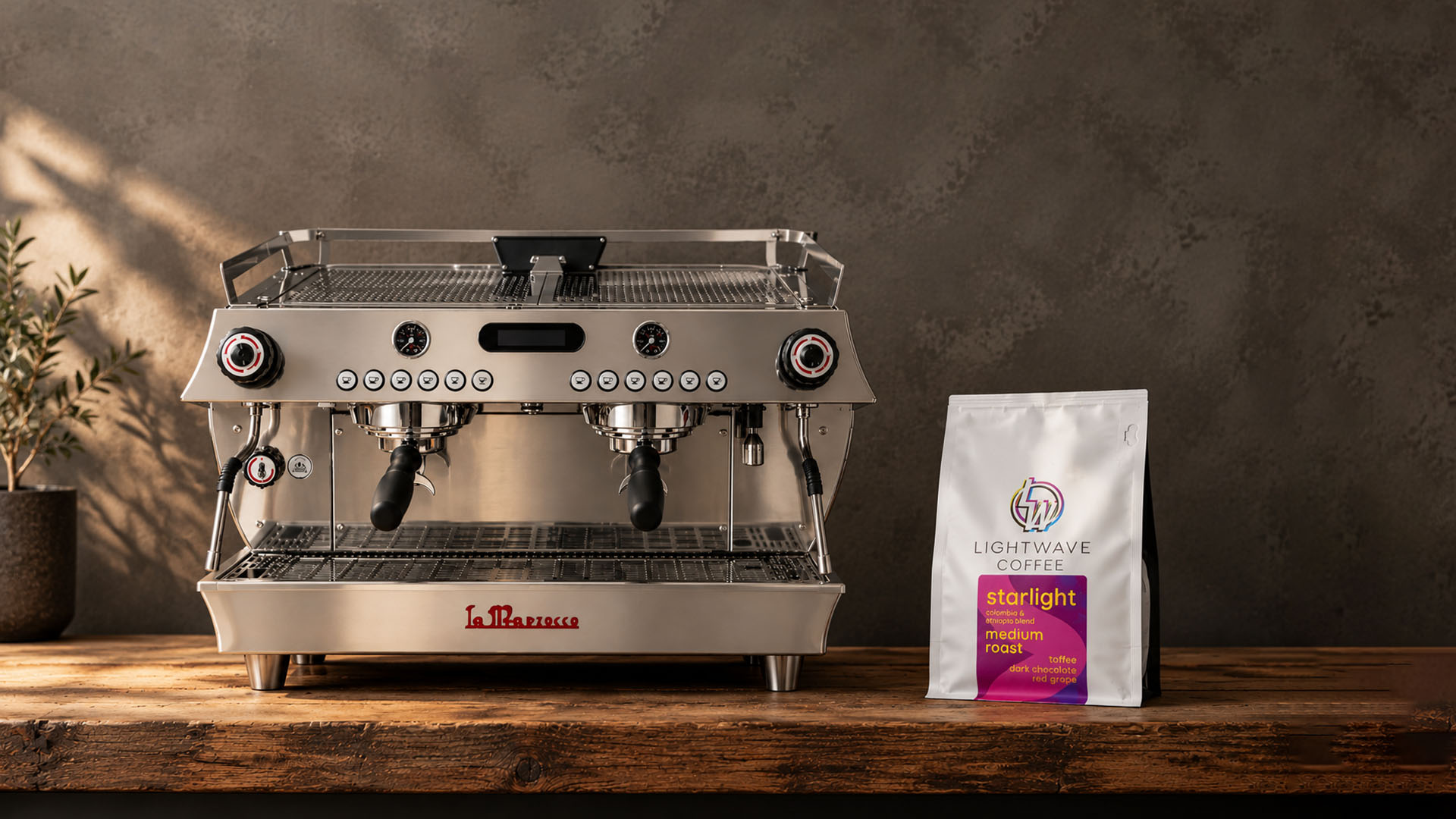
That’s one reason Starlight has become such an important coffee for us.
It combines two specialty coffees to create a balance between chocolatey body, sweetness, and brighter fruit characteristics. It’s approachable enough to be an everyday coffee but still has enough complexity to show you what specialty coffee can offer.
It also works across drip coffee, espresso, and cold brew, so you don’t need a specialized brewing setup to enjoy it.
The goal isn’t to turn every coffee drinker into a professional taster.
It’s simply to make the coffee good enough that you notice.
Frequently Asked Questions About Specialty Coffee
What score is considered specialty coffee?
80 points or higher is the traditional benchmark associated with specialty-grade coffee.
However, the Specialty Coffee Association’s current approach goes beyond a single numerical score. The SCA’s Coffee Value Assessment considers sensory characteristics alongside physical and informational attributes to create a more complete picture of a coffee and its value.
Who defines specialty coffee?
The Specialty Coffee Association is one of the leading international organizations establishing standards, education, research, and evaluation frameworks for the specialty coffee industry.
Its current definition recognizes specialty coffee based on distinctive attributes that give the coffee or coffee experience additional value.
Is specialty coffee always light roast?
No. Specialty coffee can be light, medium, or dark roasted. Specialty refers to the characteristics and quality of the coffee rather than a specific roast level.
Why does specialty coffee taste fruity or floral?
Coffee naturally contains a large range of flavor and aroma compounds. Origin, variety, elevation, growing conditions, processing, roasting, and brewing can make different characteristics more noticeable.
When a bag lists notes like strawberry, jasmine, chocolate, or citrus, those ingredients usually haven’t been added. They’re descriptions of flavors people perceive naturally in the coffee.
Is specialty coffee less bitter?
It can be.
Bitterness is influenced by the coffee itself, roast level, brewing method, extraction, and other factors. Specialty coffee is often selected and roasted to preserve more of the coffee’s natural character rather than relying primarily on heavy roast flavors.
That doesn’t mean specialty coffee has no bitterness. A balanced amount of bitterness can be part of a great cup.
Does specialty coffee need sugar or milk?
That’s completely up to you.
One of the interesting things about high-quality coffee is that many people discover more natural sweetness and flavor than they expected. Try tasting it black first. Then add milk or sweetener if that’s how you prefer to drink it.
Great coffee should still be enjoyed the way you like it.