Coffee Traceability and Anti-Counterfeit Packaging
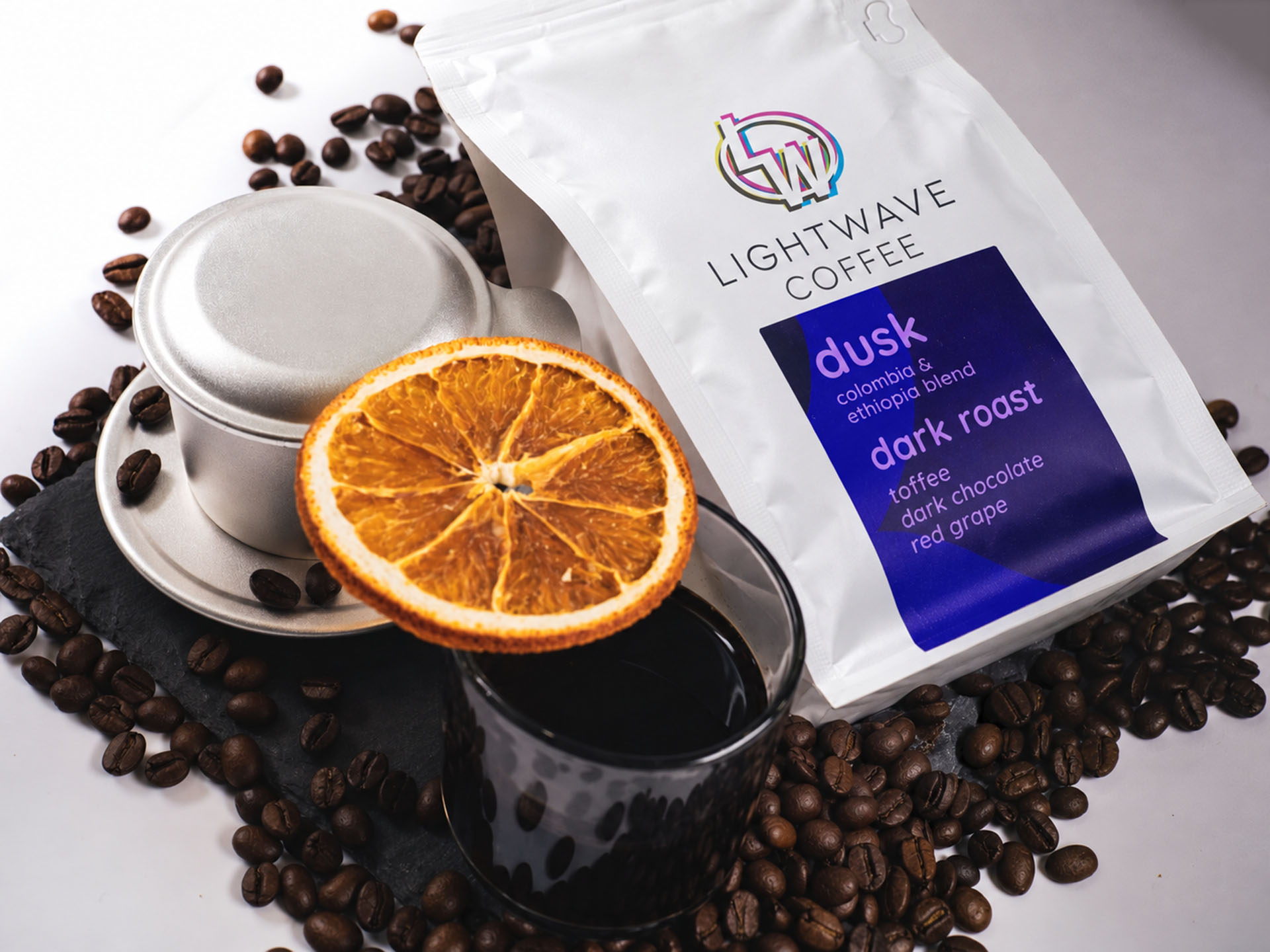
Specialty coffee can carry a surprising amount of information. A bag may identify the country, region, producer, variety, process, elevation, roast, and tasting notes. For that information to be useful, the coffee in the bag needs to match what the label says.
That is where traceability and, in some cases, anti-counterfeit packaging come in. The goal is not to make every coffee bag look like a banknote. It is to create a clear chain of information from the coffee itself to the person buying it.
Start With Accurate Coffee Information
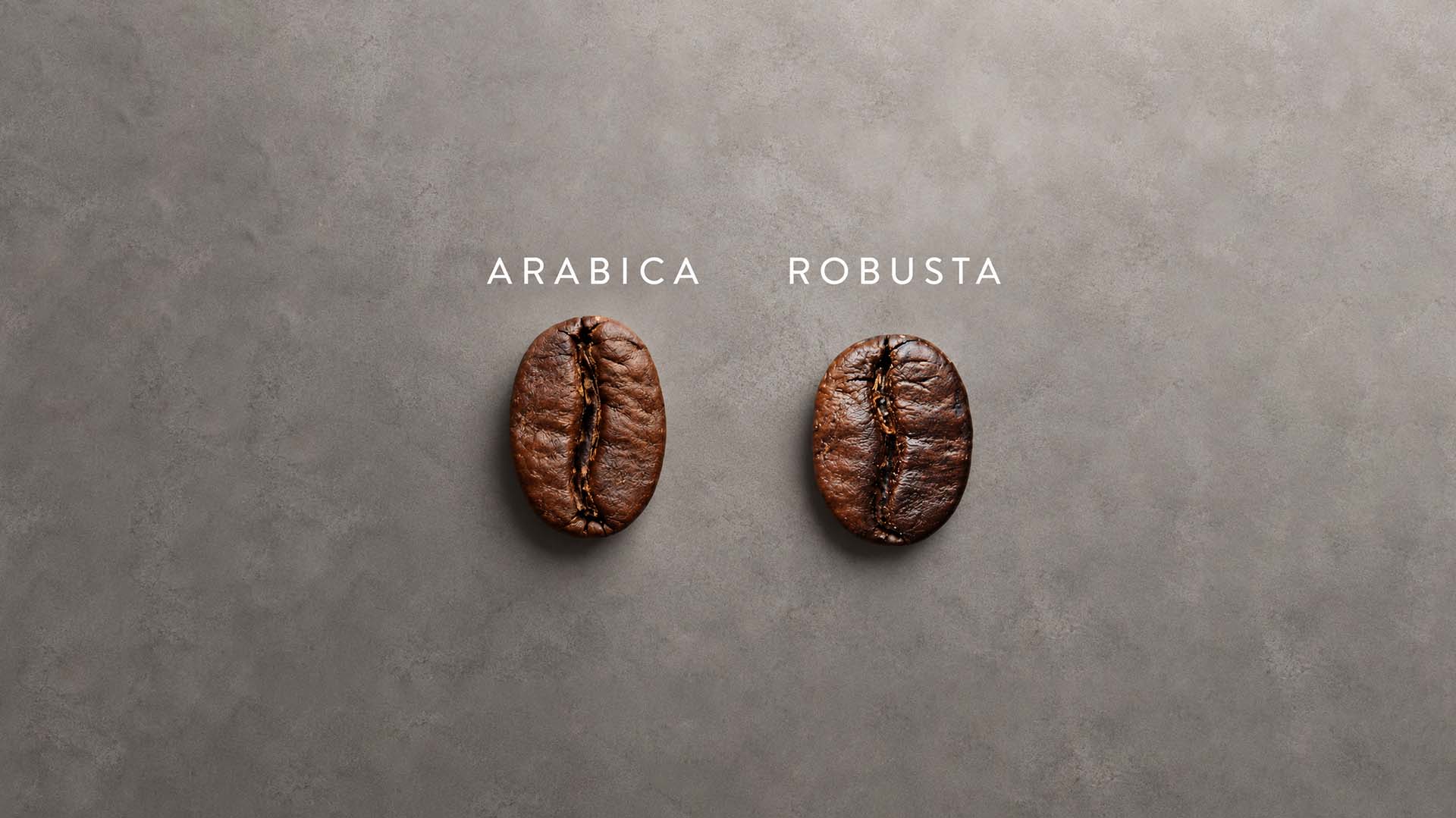
Before discussing security features, it helps to get the coffee terminology right. Arabica and Robusta refer to different coffee species. Bourbon and Caturra are examples of varieties within Arabica. Region, farm, variety, and processing method are separate pieces of information and should not be used interchangeably.
For a specialty roaster, accurate labeling is part of product quality. A customer should be able to understand what coffee they bought and why it tastes the way it does.
What Coffee Traceability Can Include
- Country and growing region
- Producer, farm, cooperative, or washing station
- Variety
- Processing method
- Lot or batch information
- Roast date
- Roaster identification
Not every coffee will have every detail available, but the information shown should be specific and accurate.
Lot Codes and Roast Information
Simple lot codes can be more useful than elaborate security features. They help a roaster connect a finished bag back to production records, which matters for quality control, wholesale accounts, and consistency.
Roast dates also give customers a useful piece of product information without requiring specialized technology.
Tamper-Evident Seals
A tamper-evident seal can show whether a package has been opened after packing. This is different from anti-counterfeit technology, but it can still support customer confidence and product integrity.
QR Codes and Digital Product Information
A QR code can connect a physical bag to a product page with origin, process, producer, lot, or brewing information. For higher-value or tightly controlled products, serialized codes can also make each package individually identifiable.
Holograms, Serialized Labels, and Other Security Features
For products where counterfeiting is a realistic risk, businesses can use serialized labels, holographic films, specialty inks, or other harder-to-copy features. These tools make the most sense when the value or distribution risk justifies the extra packaging cost.
For many specialty coffee businesses, clear traceability and accurate labeling will provide more practical value than sophisticated anti-counterfeit technology.
Transparency Is the Most Useful Starting Point
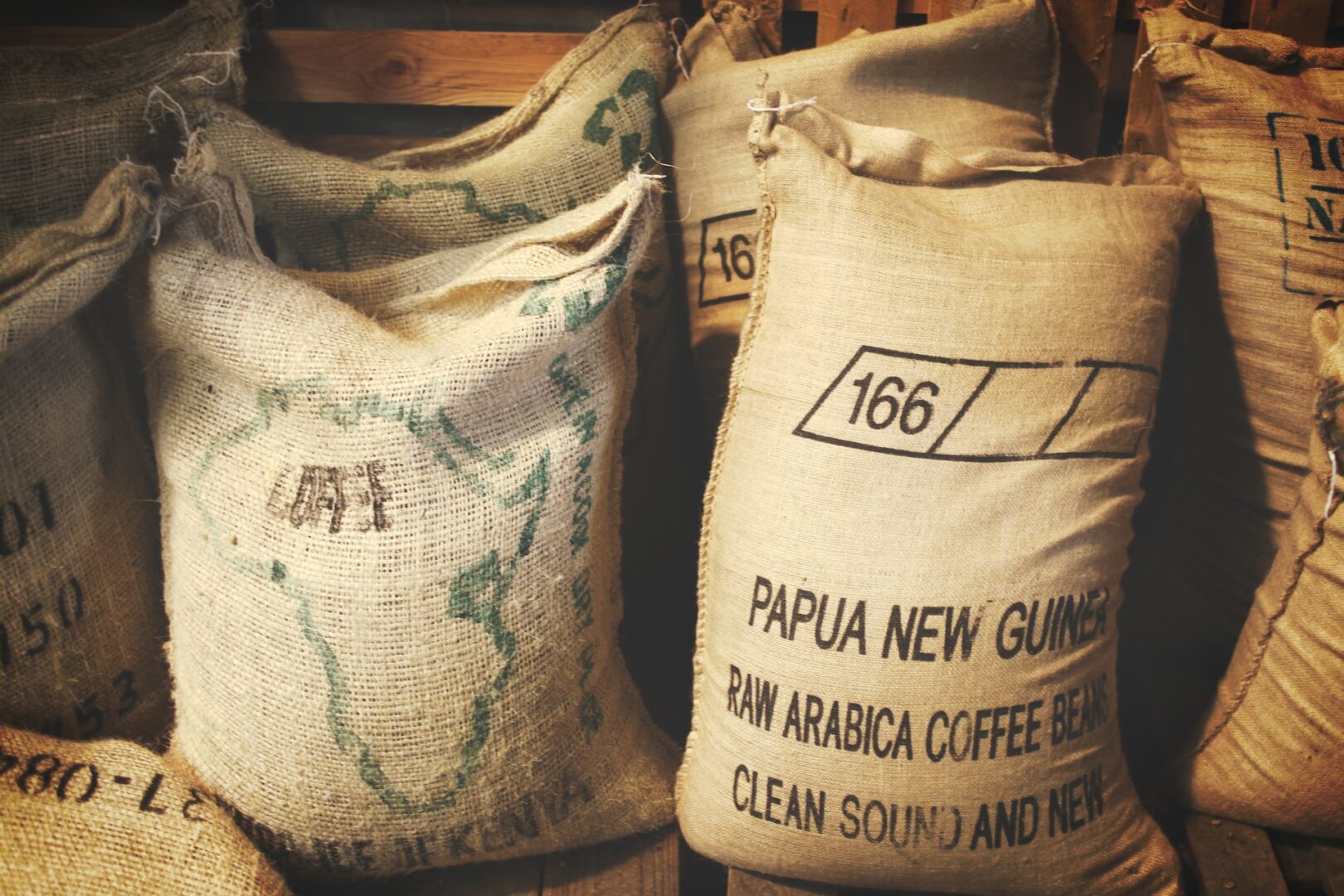
Coffee is an agricultural product, and every lot has a story behind where it came from and how it was processed. Good packaging should help preserve that information rather than reduce the coffee to a generic product.
For a roaster focused on quality and consistency, traceability is not only about preventing fraud. It is also a way to keep the product information accurate from sourcing through roasting, packaging, wholesale, and the final cup.