Coffee Brewing Techniques: Espresso
Espresso can look complicated from the outside, but the basic idea is simple. Finely ground coffee is brewed with hot water under pressure to produce a small, concentrated cup. The variables matter more than they do with many other brewing methods, but once you have a repeatable starting point, dialing in espresso becomes much easier.
What Makes Espresso Different?
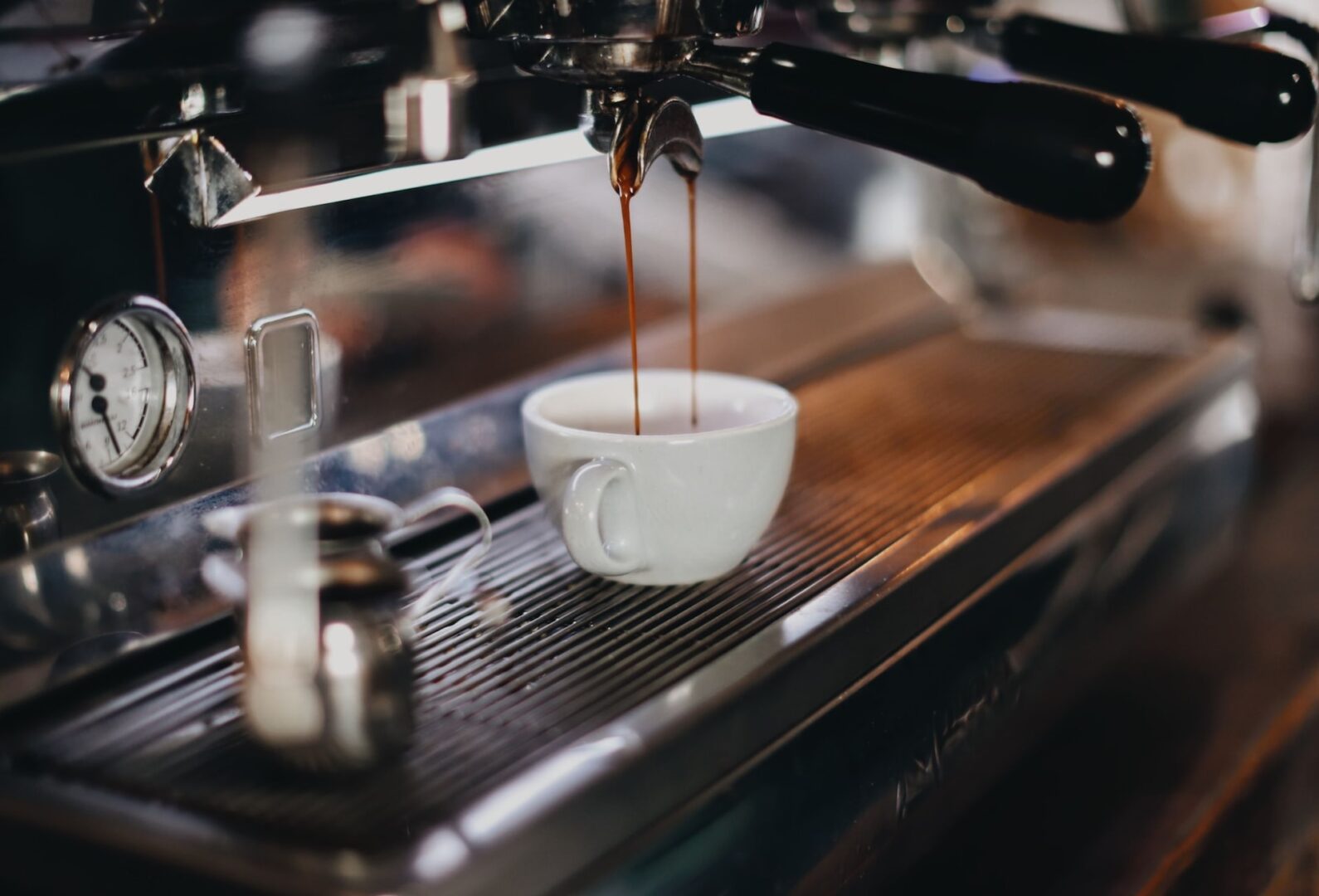
Espresso uses pressure, a fine grind, and a short brew time to create a concentrated coffee with a fuller texture than drip or pour-over. A well-prepared shot can be enjoyed on its own or used as the base for an Americano, cappuccino, cortado, latte, or other milk drink.
There is no single recipe that works for every coffee or espresso machine. Roast level, coffee age, grinder, basket size, water, and personal taste all matter. The goal is to start with a sensible ratio, taste the result, and make small adjustments.
What You Need to Make Espresso
- Espresso machine: A machine capable of producing stable brewing pressure and temperature.
- Espresso grinder: Fresh grinding and small grind adjustments make a major difference when dialing in espresso.
- Portafilter and basket: Use a basket designed for the dose you plan to brew.
- Tamper: Tamp evenly so the puck presents consistent resistance to the water.
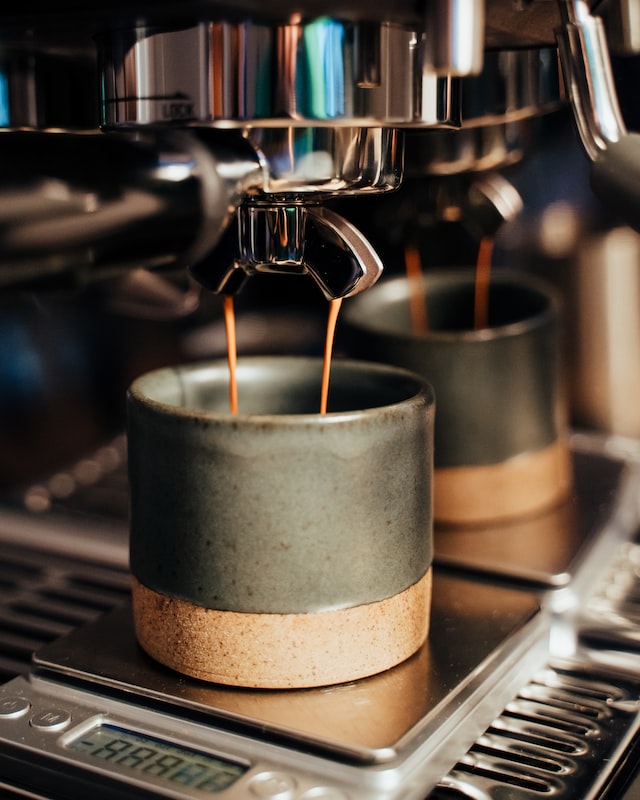
- Scale: Measuring both the coffee dose and finished espresso makes your results repeatable.
- Timer: Helpful for tracking extraction time while you make adjustments.
A Simple Espresso Starting Recipe
A common place to start is a roughly 1:2 brew ratio. For example:
- Weigh 18 grams of coffee into a clean, dry portafilter basket.
- Distribute the grounds evenly and tamp level.
- Lock in the portafilter, place your cup and scale underneath, and begin brewing.
- Stop the shot at about 36 grams of espresso.
- As a starting point, aim for roughly 25 to 35 seconds, then adjust based on taste rather than chasing a number.
Your basket may be designed for a different dose, so follow your equipment first. The ratio is more useful than treating 18 grams as a fixed rule.
How to Dial In Espresso by Taste
If the shot runs very quickly and tastes thin, sharp, or sour, try grinding finer. If it runs very slowly and tastes dry, harsh, or overly bitter, try grinding slightly coarser. Make one change at a time so you can tell what improved the cup.
Yield matters too. A shorter shot can emphasize body and intensity. A slightly longer shot may bring out more sweetness and balance. Coffee is an agricultural product, so even a recipe that worked perfectly for one bag may need a small adjustment with the next.
Choosing Coffee for Espresso
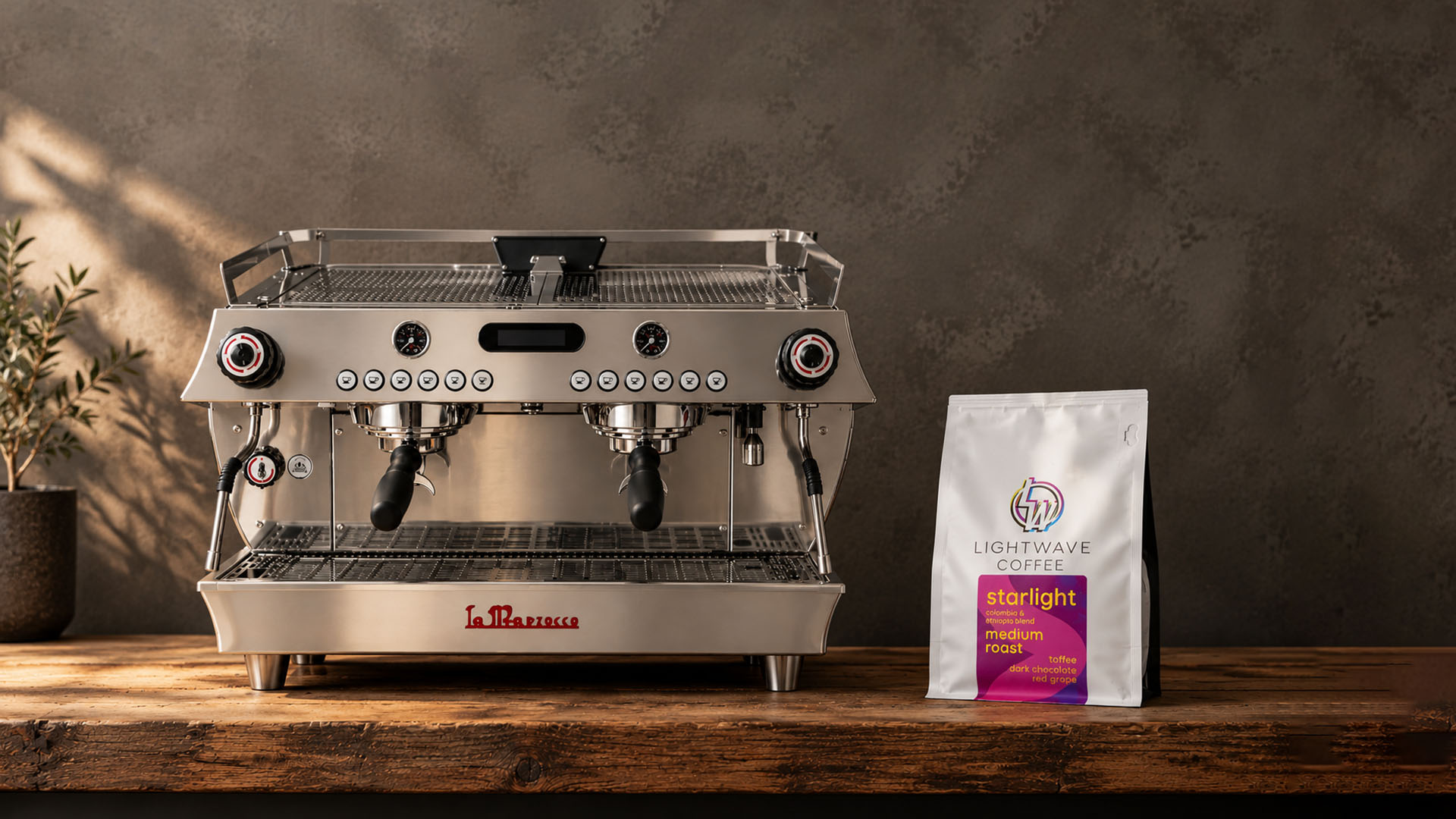
Any well-roasted coffee can be used for espresso, but different coffees create very different shots. If you want a balanced everyday espresso, Lightwave Starlight is especially versatile. Its Colombian component brings chocolatey body while the Ethiopian coffee adds brighter fruit notes, and the blend is designed to work as espresso, drip, or cold brew.
If you prefer a bolder espresso, especially in milk drinks, Dusk offers a fuller, darker profile without roasting away the character of the coffee.
Consistency Beats Perfection
Good espresso comes from paying attention to a few repeatable variables: dose, yield, grind, time, and taste. Once those are consistent, it becomes much easier to understand what a coffee is doing and adjust it to your preference.