Natural Sweeteners for Coffee: Honey, Agave, Monk Fruit and More
Coffee does not have to taste bitter before anything is added to it. One of the surprises people often have when they first try well-grown, carefully roasted specialty coffee is that the cup can taste naturally sweet, fruity, floral, chocolatey, or even honey-like on its own.
Those flavors are not added to the coffee. They come from the coffee itself, including its origin, variety, growing conditions, processing method, and how it is roasted. At Lightwave, the goal of roasting is to bring out those inherent flavors rather than cover them up.
That said, there is nothing wrong with sweetening coffee if that is how you enjoy it. Different sweeteners bring different flavors to the cup, so it helps to choose one that complements the coffee rather than simply making it sweeter.
Natural Cane Sugar
Cane sugar is the most neutral option on this list. It adds sweetness without contributing much additional flavor, which makes it useful when you like the coffee as it is and simply want to soften bitterness or acidity.
Start with a small amount, stir completely, and taste before adding more. This is especially useful with specialty coffee because too much sweetness can easily cover the flavors you paid for in the first place.
Honey
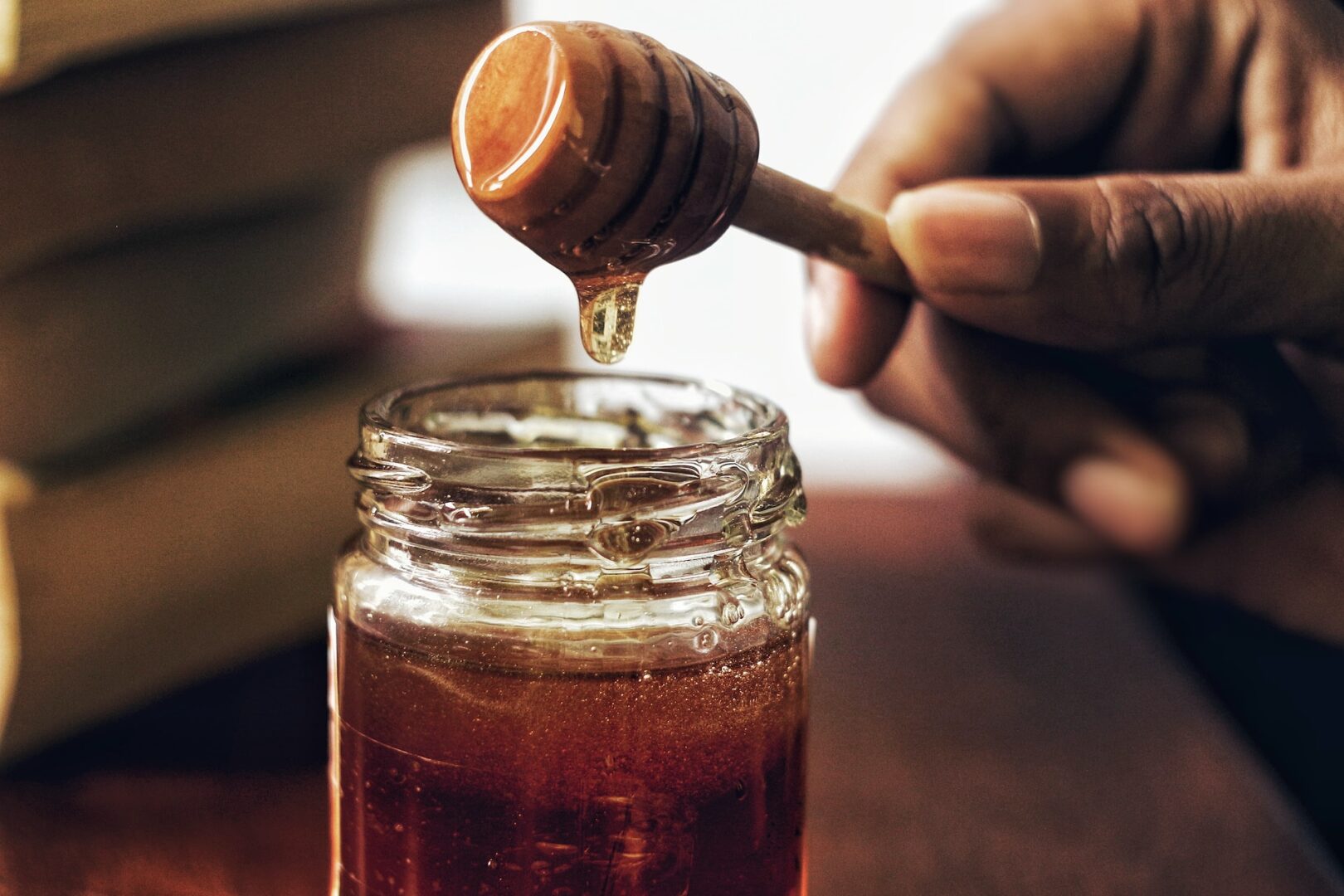
Honey adds sweetness along with its own floral and aromatic character. It can work particularly well with coffees that already show citrus, fruit, or floral notes. Because honey varies so much by source, two different honeys can make the same coffee taste noticeably different.
Honey dissolves more easily in hot coffee than iced coffee. For cold drinks, mix it into the hot espresso or a small amount of warm water first.
Agave Nectar
Agave has a relatively mild flavor and dissolves easily, which makes it useful in both hot and cold coffee drinks. It is a good choice when you want sweetness without the more obvious flavor contribution of honey or maple syrup.
Coconut Sugar
Coconut sugar has a deeper caramel-like flavor than plain cane sugar. That can pair nicely with coffees that lean toward chocolate, toasted nuts, caramel, or other deeper flavors. Because the flavor is more noticeable, a little can go a long way.
Monk Fruit
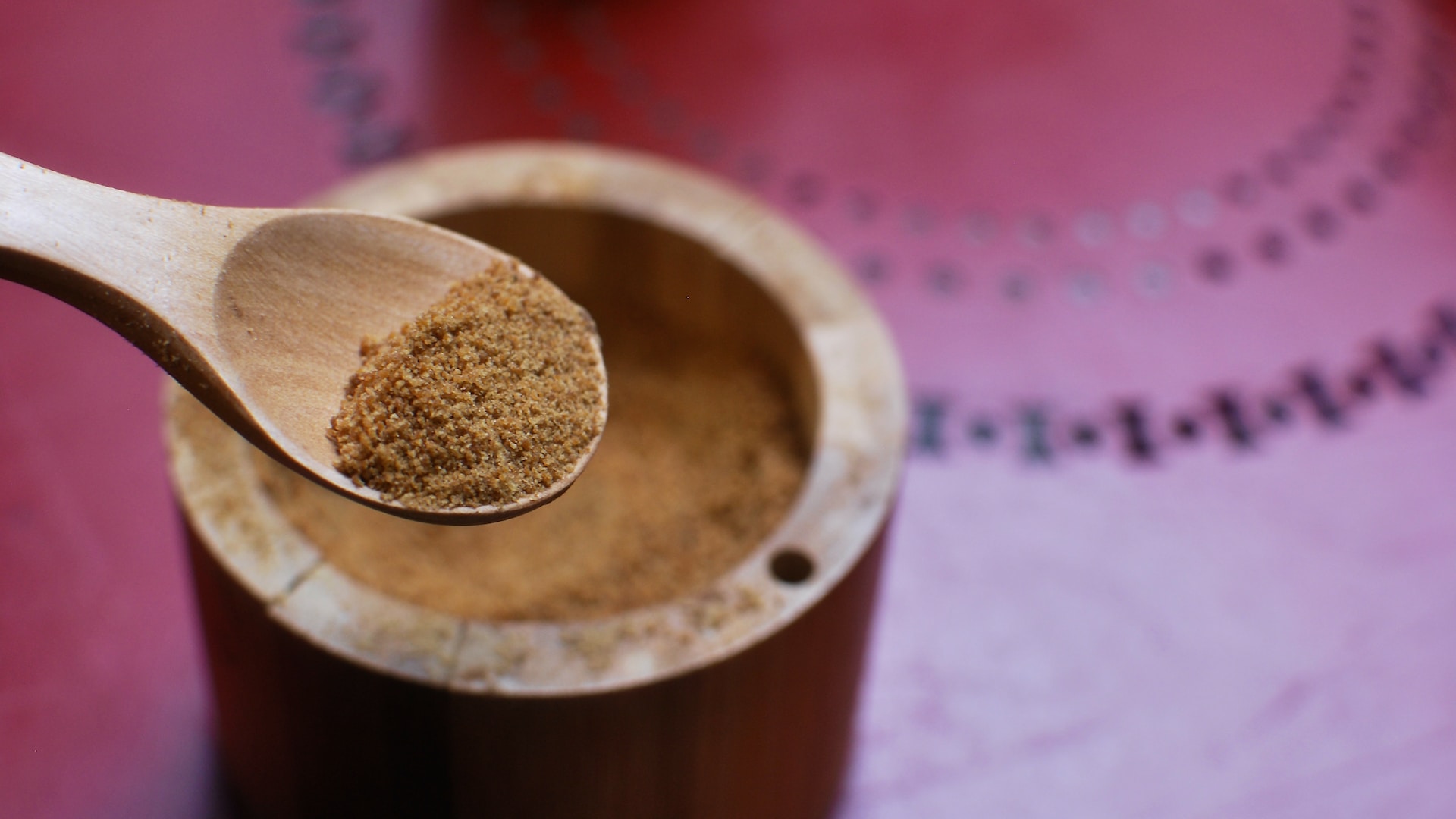
Monk fruit sweeteners are much sweeter than sugar, so they are best used sparingly. Many products sold as monk fruit are blended with other sweeteners, which can change both flavor and sweetness. Check the ingredient list if you want to know exactly what you are adding to the cup.
Do You Need to Sweeten Specialty Coffee?
No. You also do not need to drink it black. The useful question is whether the coffee tastes good to you.
If you usually add sugar automatically, try tasting the coffee first. Let it cool for a few minutes and take another sip. As coffee cools, sweetness, fruit, and other flavors can become easier to notice. A coffee that seemed simply strong when it was very hot may become much more expressive at a lower temperature.
This is one of the reasons specialty coffee can be such a discovery. Coffee can naturally taste like chocolate, citrus, berries, flowers, honey, spice, or many other things without those flavors being added.

Sweeten for Flavor, Not Because You Have To
If you enjoy sweet coffee, cane sugar, honey, agave, coconut sugar, and monk fruit can all work. The best choice depends on whether you want a neutral sweetness or another layer of flavor. Start small and let the coffee remain part of the drink.