What is Sustainable Packaging?
Sustainable packaging sounds simple until you try to define it. A paper package may use renewable material but require more energy or weight to ship. A lightweight plastic package may protect a product very efficiently but be difficult to recycle in many communities. A compostable package only helps if it reaches a composting system that can actually process it.
That is why sustainable packaging is better understood as a life-cycle question rather than a single material choice.

Look at the Whole Life Cycle
A life-cycle assessment, often called an LCA, looks at environmental impacts across stages such as raw materials, manufacturing, transportation, use, and end of life. Depending on the assessment, that can include greenhouse-gas emissions, energy use, water use, waste, and other impacts.
No single metric tells the whole story. A package that performs well in one area can perform poorly in another, which is why sustainability claims should be specific about what is actually being measured.
Product Protection Matters Too
Packaging is not only waste. Its first job is to protect the product. If a package fails and causes food to go stale, spill, or be thrown away, the environmental cost of replacing the product can outweigh the benefit of using less packaging.
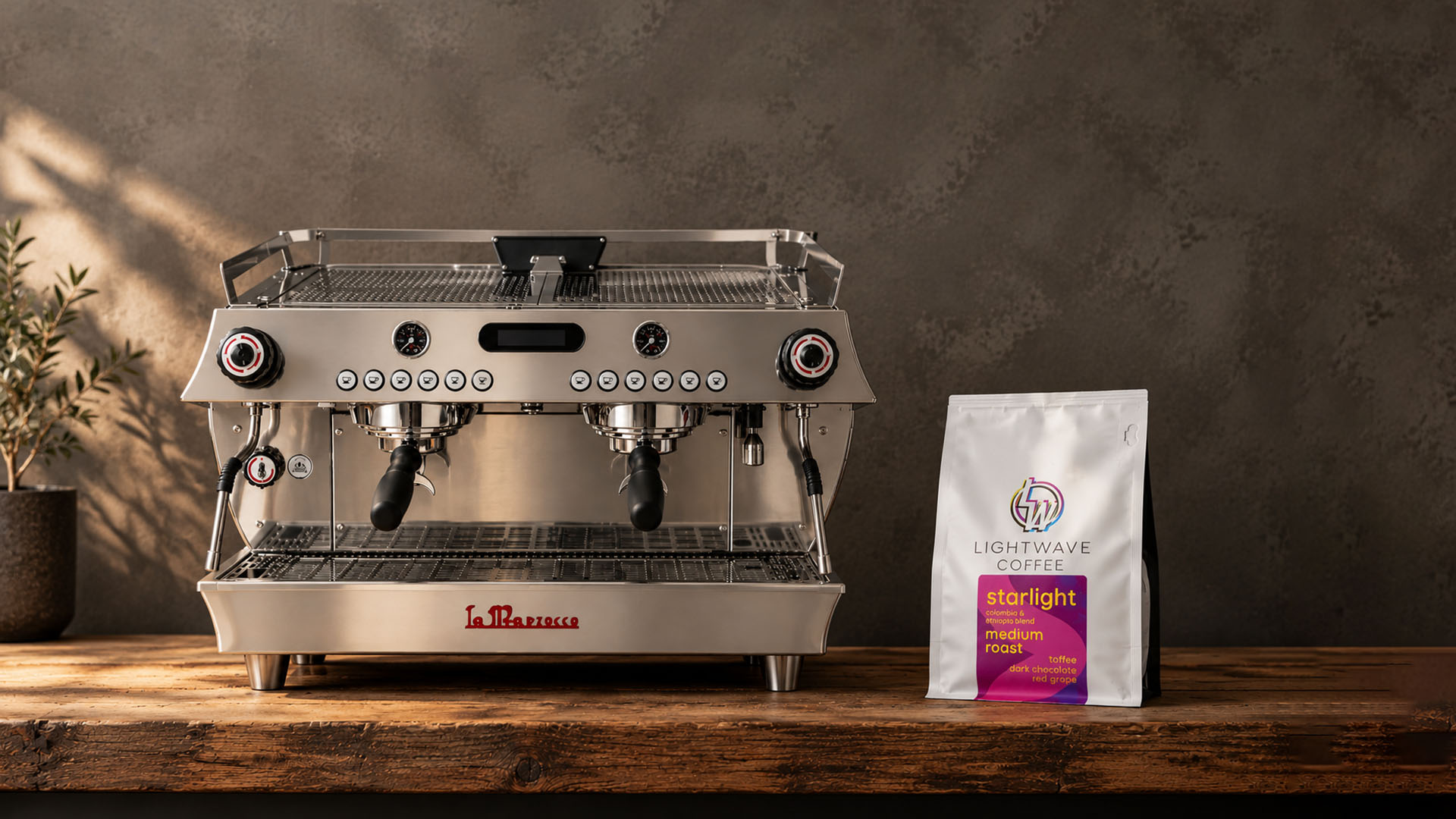
Coffee is a good example. Roasted coffee needs protection from oxygen, moisture, and light. Many coffee bags use multiple layers because those barriers help preserve freshness. The tradeoff is that multilayer materials can be harder to recycle through normal curbside systems.
That does not mean one type of coffee bag is always the right answer. It means freshness, material use, recyclability, shipping weight, and available disposal systems all need to be considered together.
Right-Size the Package
One of the simplest packaging improvements is to avoid using more material than the product needs. Right-sized boxes, lighter shipping materials, and less empty space can reduce material use and transportation volume without changing the product inside.
Recycled and Recyclable Materials
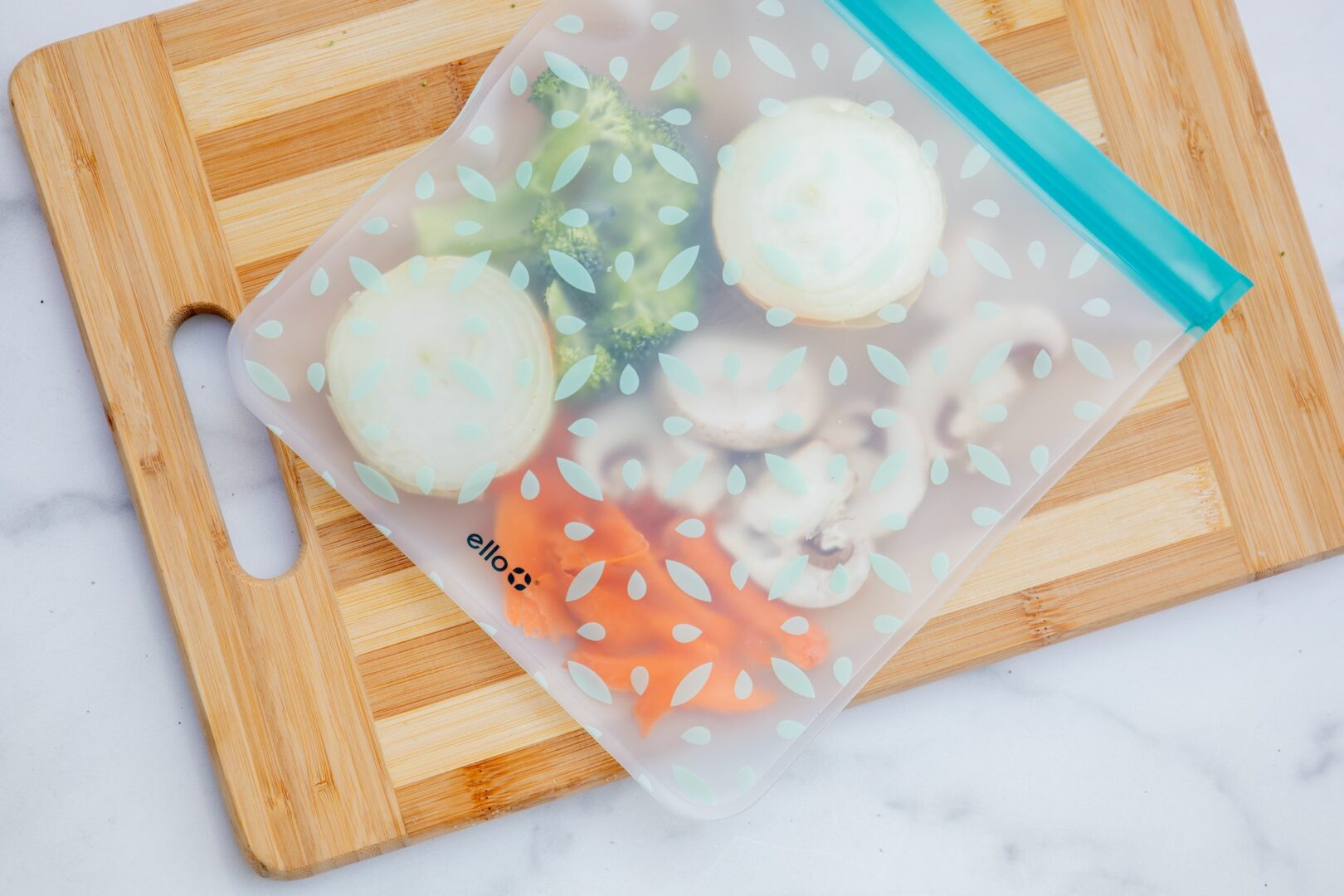
Recycled paper and cardboard can reduce demand for virgin material, and both are widely accepted by many recycling programs when they are clean and dry. Recyclability still depends on local infrastructure, coatings, adhesives, and what other materials are attached to the package.
Plastic can also be recyclable in theory but difficult to recycle in practice when multiple materials are laminated together. Always check the specific package and local program rather than relying on a broad material label.
Compostable and Bio-Based Packaging
Compostable or bio-based packaging can be useful in the right system, but the terms are not interchangeable. A material made from plants is not automatically compostable, and a package labeled compostable may require an industrial composting facility rather than a backyard pile.
The disposal route matters just as much as the material itself.
What Makes Packaging More Sustainable?
A practical packaging strategy usually combines several things:
- Use only as much material as necessary.
- Protect the product well enough to avoid waste.
- Reduce unnecessary shipping weight and volume.
- Use recycled content where it makes sense.
- Choose recycling or composting claims that match real disposal options.
- Give customers clear instructions instead of vague green claims.
There is rarely one perfect material. Better packaging comes from understanding the tradeoffs and improving the full system over time.